CPAP Basics for New Users
What CPAP does, what's normal in the first week, and how to tell if the mask, pressure, or humidity needs adjusting.
Read the guide →Built for two audiences: families and caregivers who want to understand what's happening at home, and respiratory therapy students who want clinical pearls from a working RRT.
What CPAP does, what's normal in the first week, and how to tell if the mask, pressure, or humidity needs adjusting.
Read the guide →Why BiPAP is different from CPAP, what a "good setup" looks like, and how to spot problems before they ruin a night's sleep.
Read the guide →A simple daily and weekly routine for masks, tubing, filters, and humidifier chambers — what to do and what to skip.
If you're helping a loved one with respiratory equipment, these are the small adjustments that make the biggest difference.
Most issues can wait until morning. These signs should not.
Short answers to the most common questions families ask: insurance, devices supported, virtual vs in-home, service areas, and more.
Browse FAQ →What clinical handouts often skip — humidifier & ramp interactions, mask-style decisions, and patient counseling cues that improve first-week adherence.
See worked example →Quick-reference comparisons of common bilevel modes, indications, and where each shines (and fails) in the home setting.
A repeatable approach: identify the exact symptom → rule out fit/leak → review settings & humidity → consider patient factors → escalate.
Practical guidance on continuous vs. pulse-dose, conserver devices, altitude, ambulation, and when to escalate desaturation findings.
How to explain therapy in 60 seconds without jargon — and how to recognize when "non-compliance" is really a setup or comfort problem.
Notes from a telehealth + in-home RRT practice: building patient relationships, billing alternatives (self-pay), and what to expect outside the hospital.
Instead of stacking too many embeds, this section rotates through a fresh set of helpful clips from Jovan Balance, RRT each time the page loads.
Four books by Jovan Balance, RRT — all available on Amazon:
 The Heart of Respiratory Care
A Respiratory Therapist’s story of resilience, skill, and compassion
The Heart of Respiratory Care
A Respiratory Therapist’s story of resilience, skill, and compassion
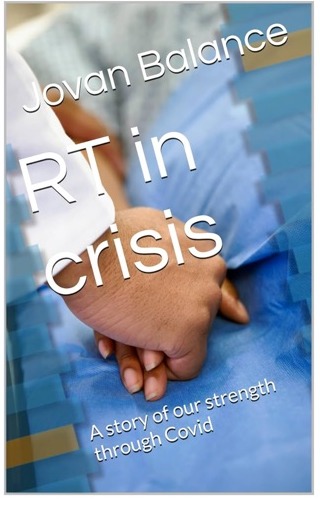 RT in Crisis
A story of our strength through Covid
RT in Crisis
A story of our strength through Covid
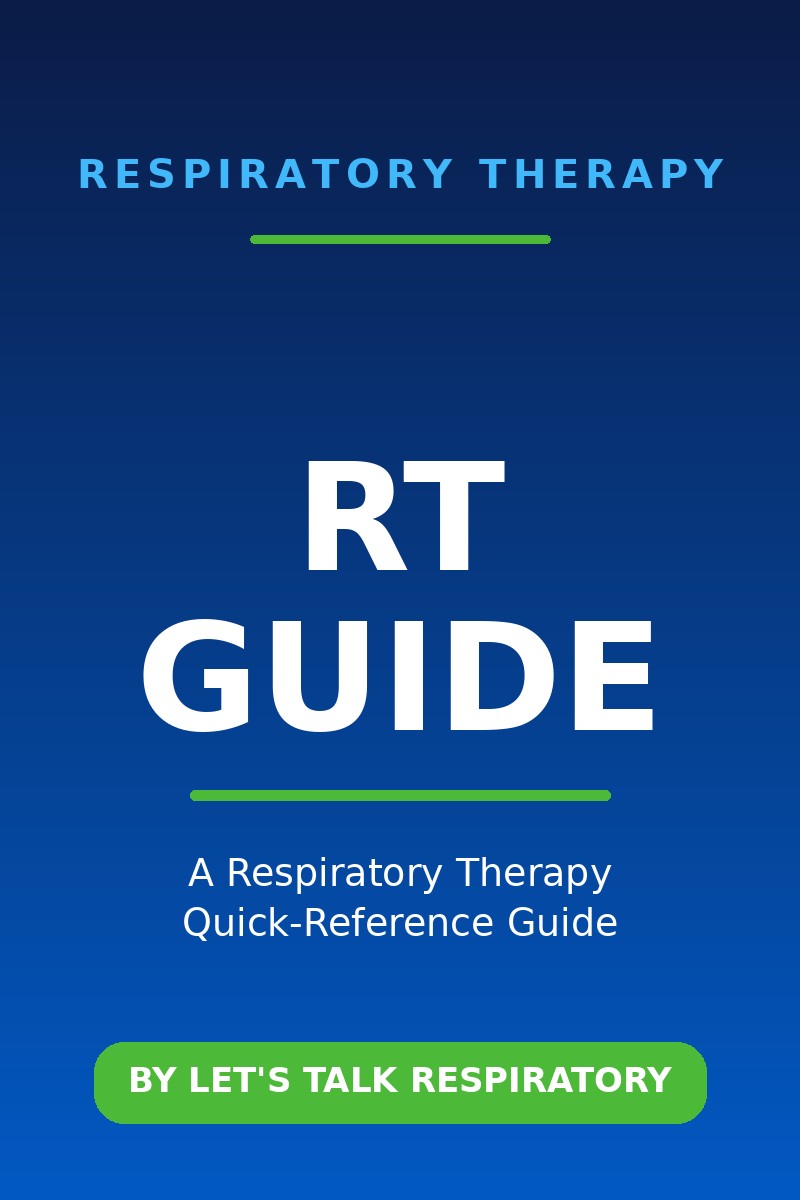 RT Guide
The core essentials of respiratory therapy — pearls, mnemonics & self-checks
RT Guide
The core essentials of respiratory therapy — pearls, mnemonics & self-checks
 Hey, Big Brother, I Can Help
A children’s book about asthma
Hey, Big Brother, I Can Help
A children’s book about asthma
Browse all four on the Shop page.
Whether you're a family member, caregiver, or RT student looking for mentorship — book directly on Calendly.